













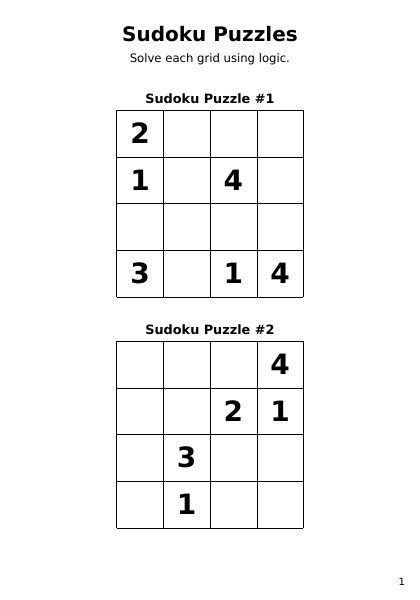
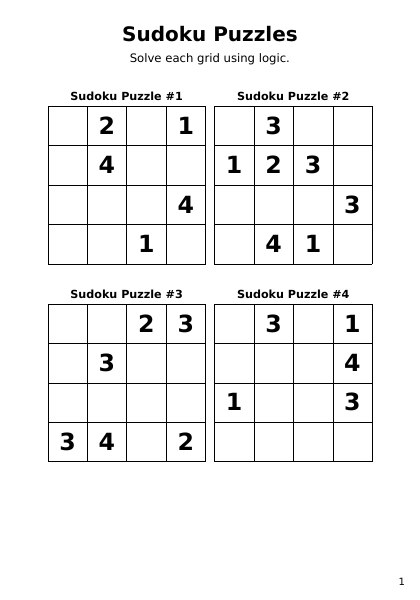
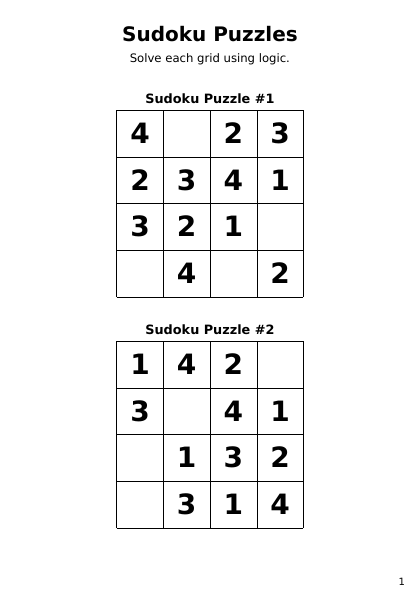
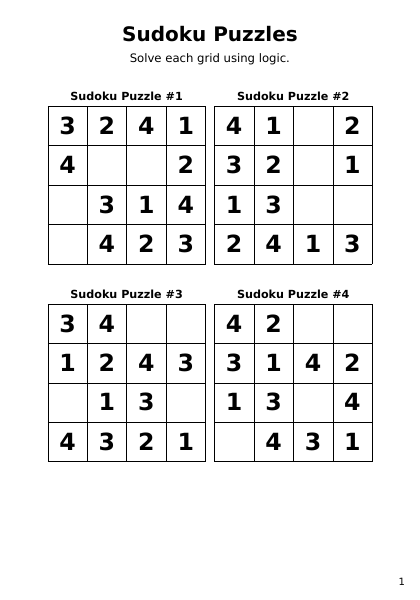
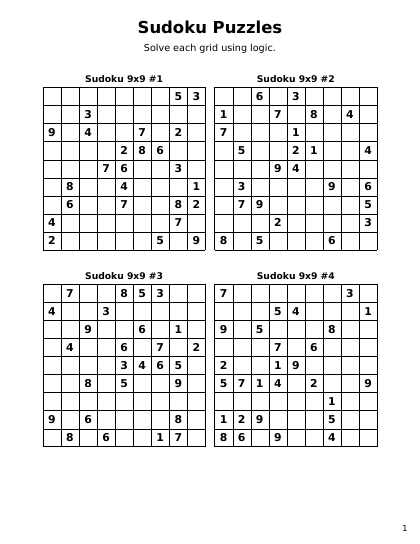
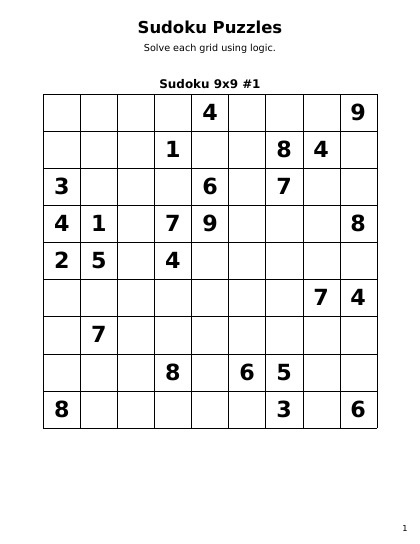
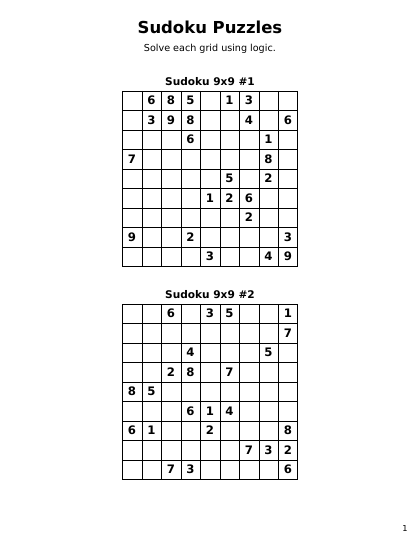
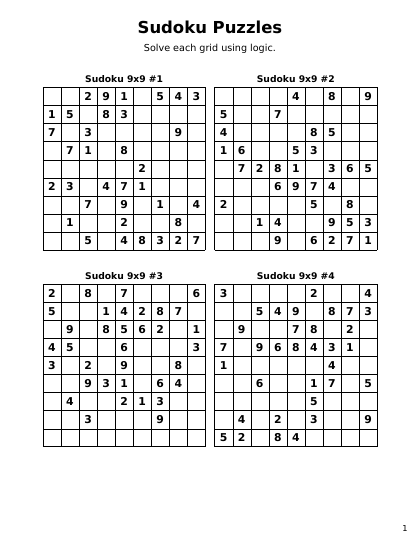
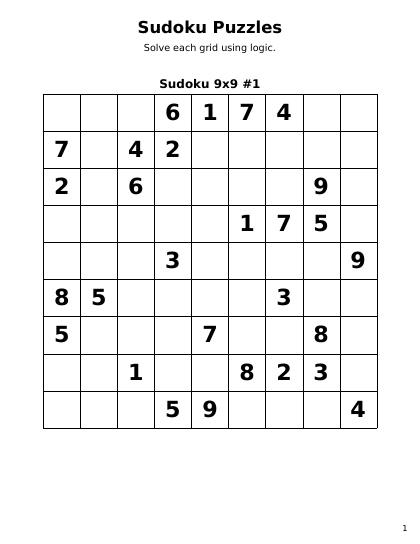
Download Printable Sudoku Puzzle Packs as Ready-to-Print PDFs
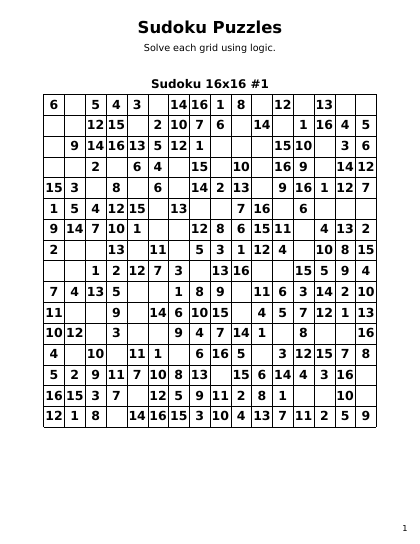
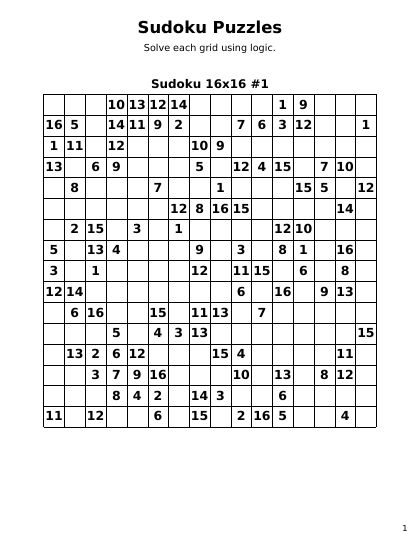
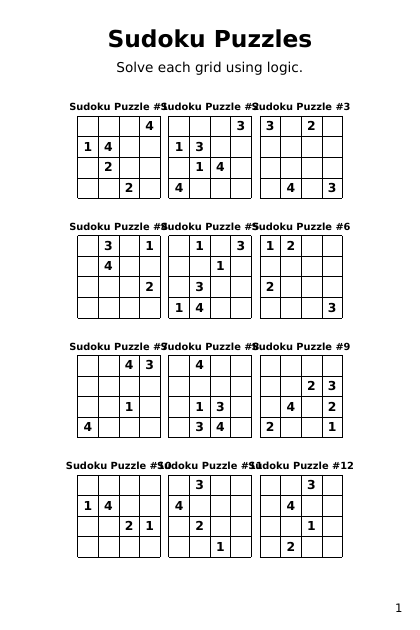
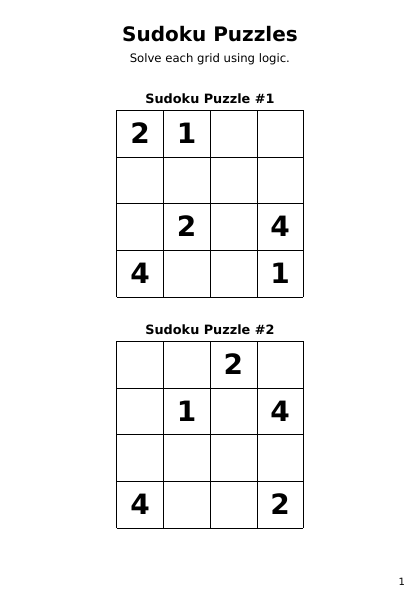
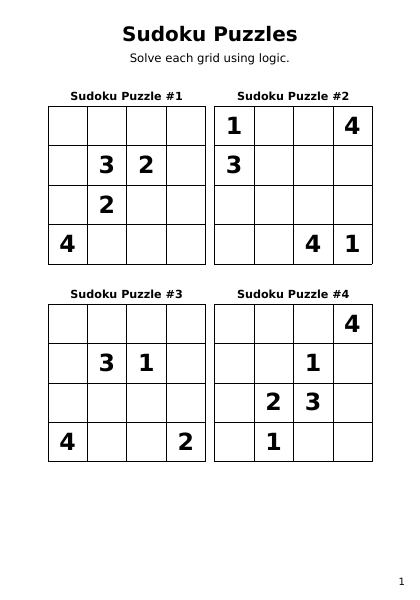
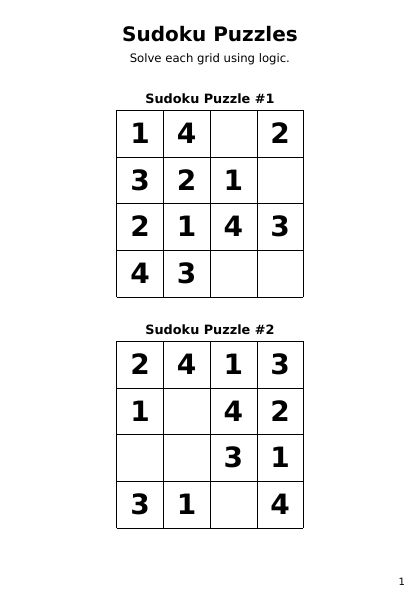
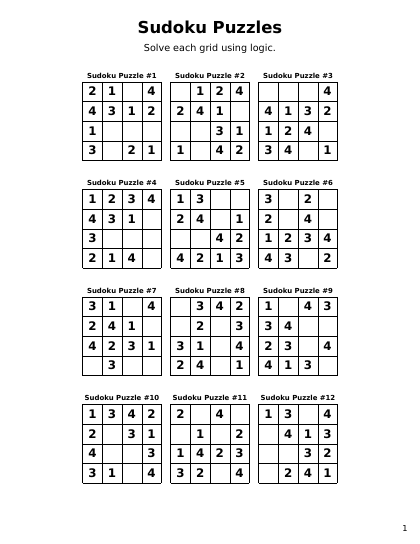
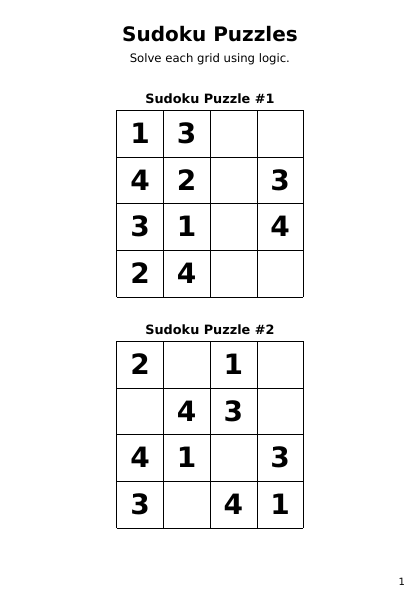
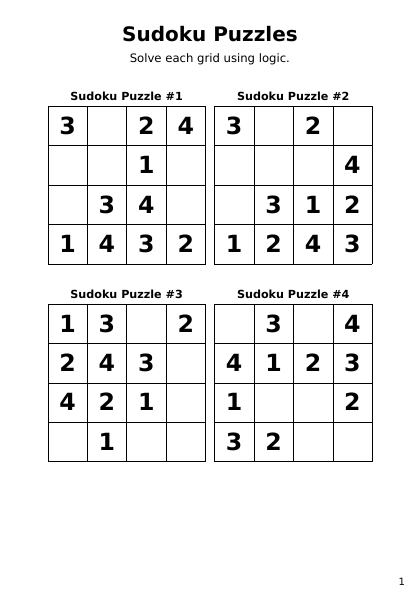
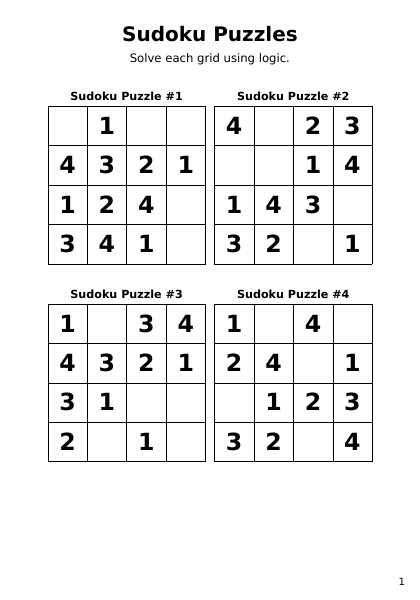
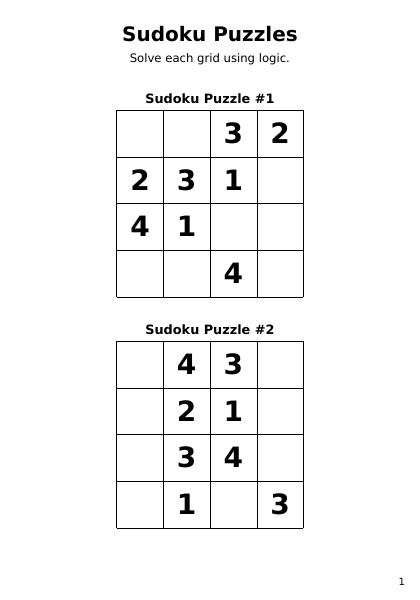
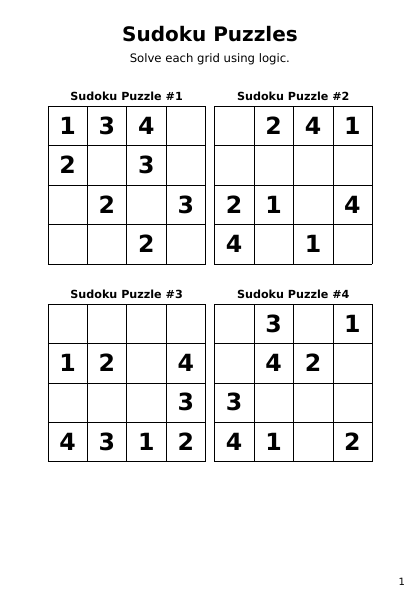
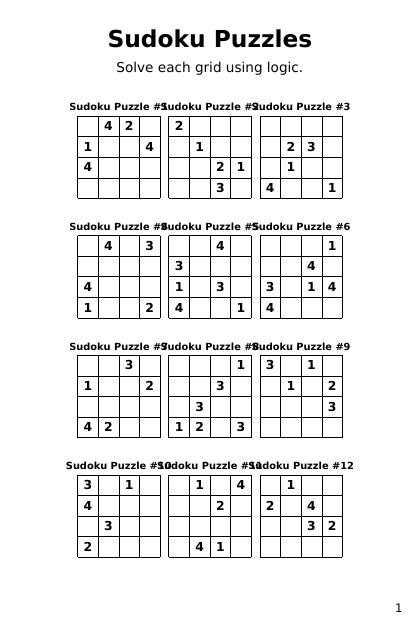
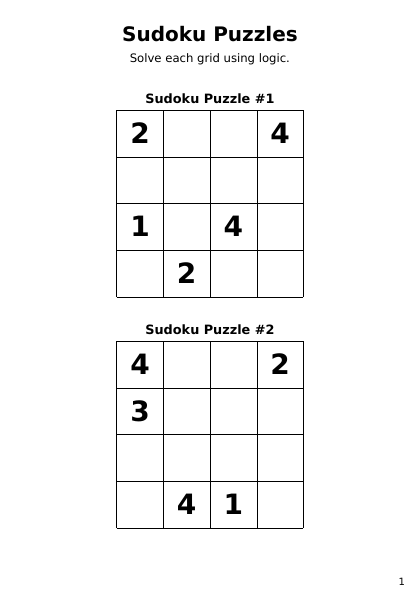
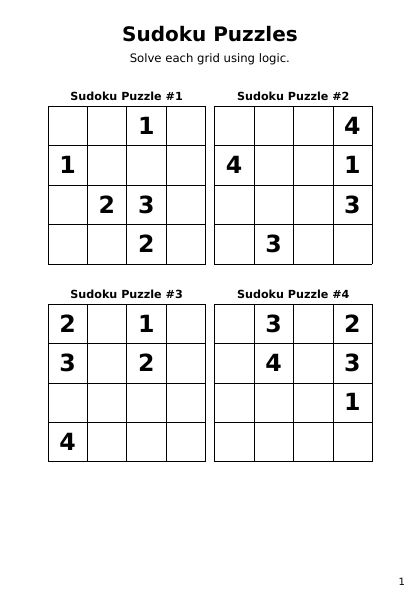
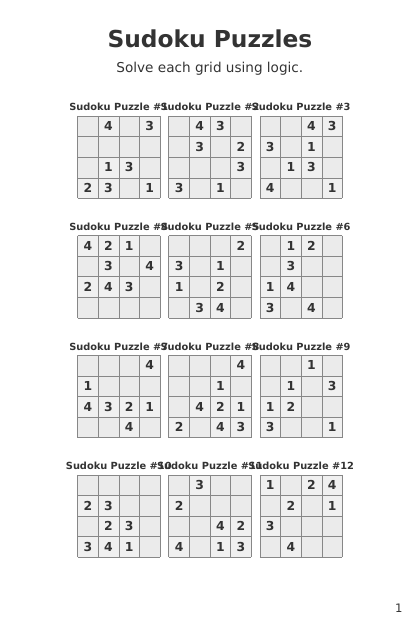
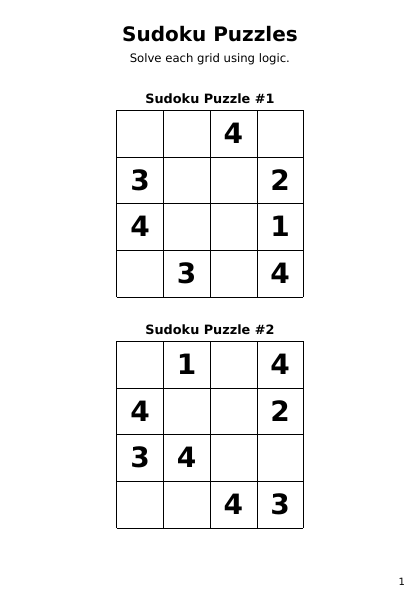
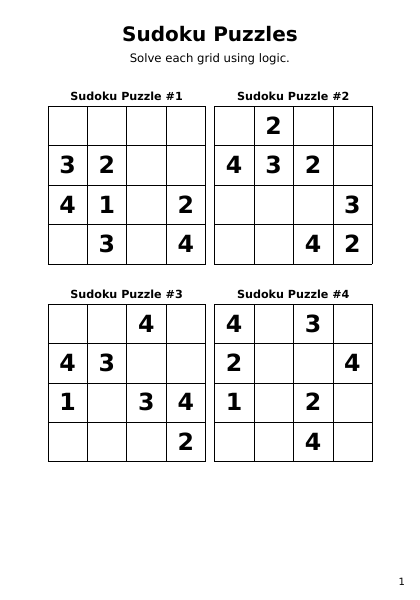
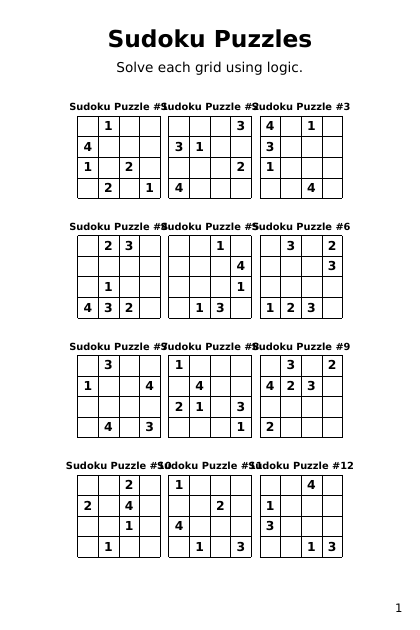
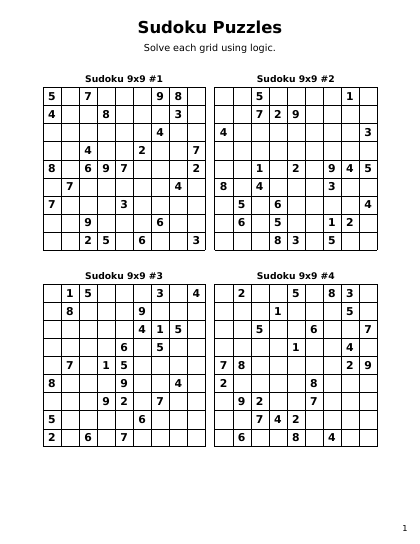
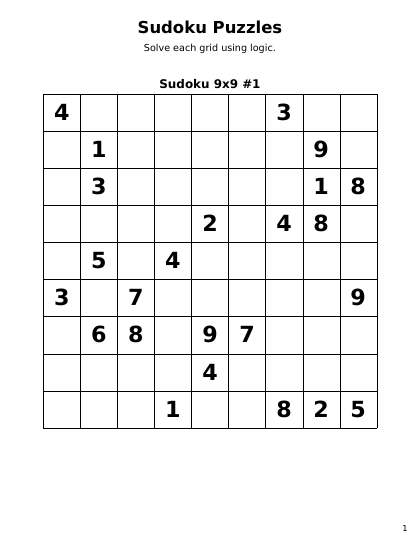
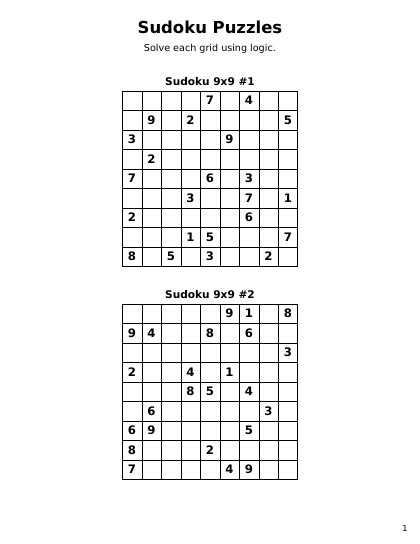
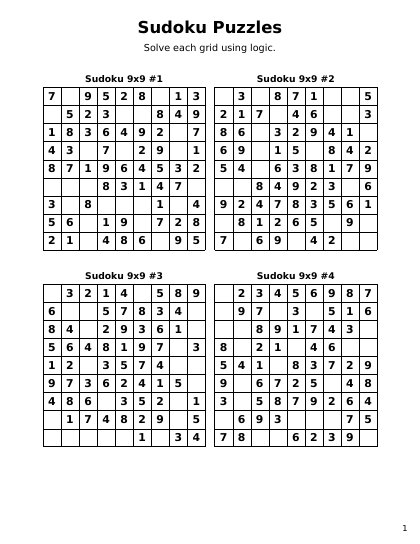
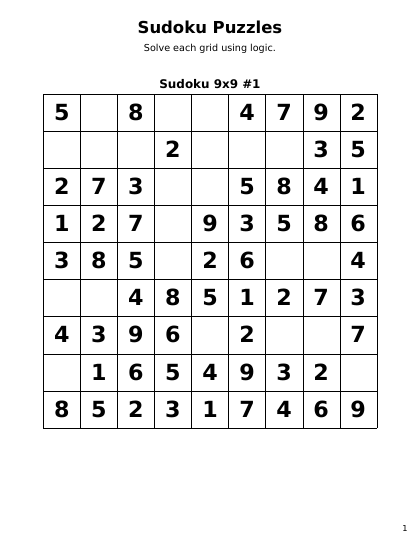
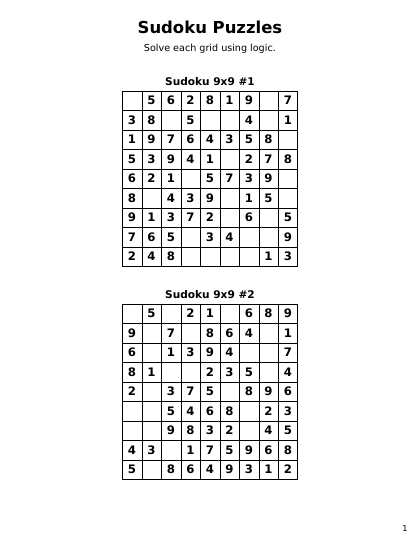
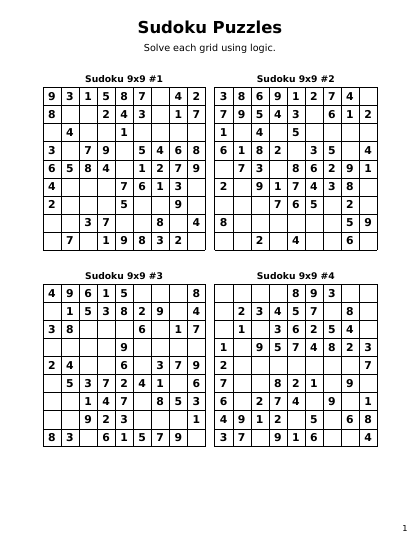
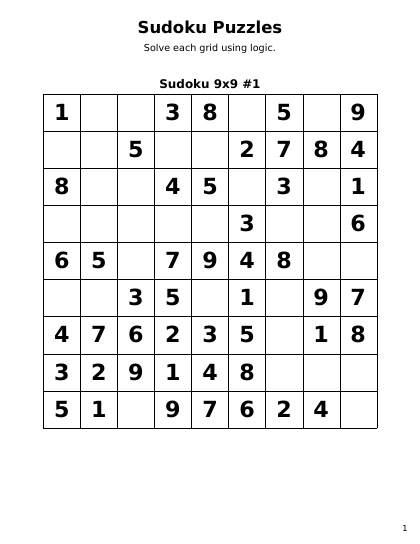
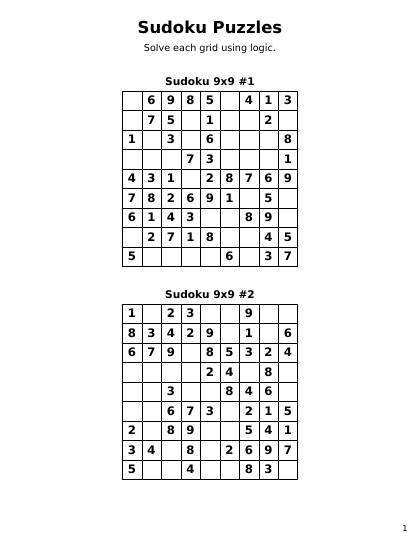
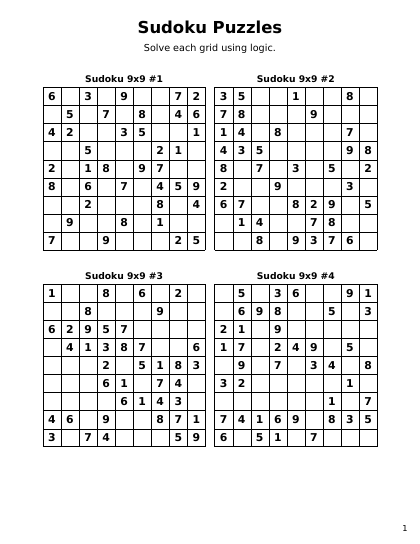
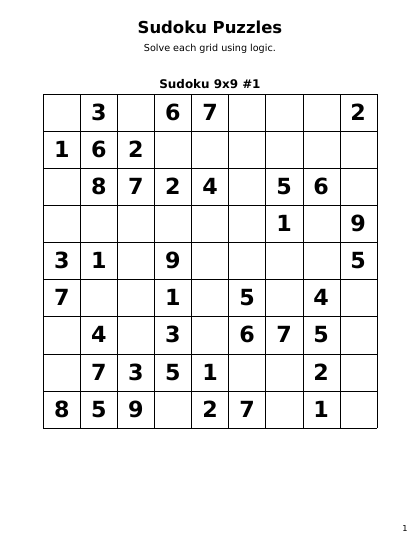
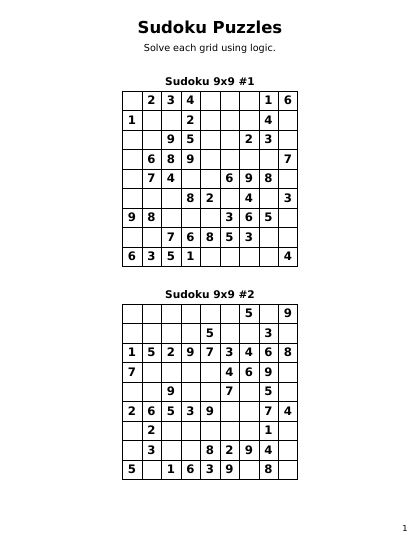
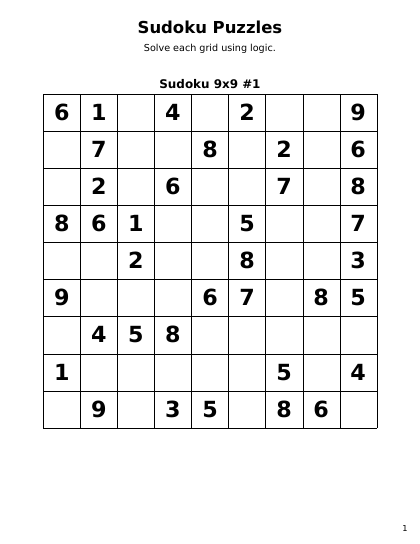
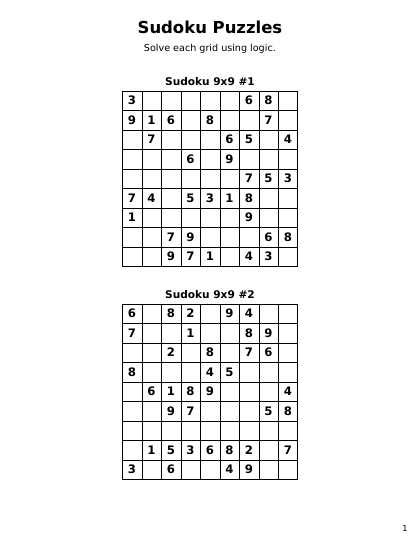
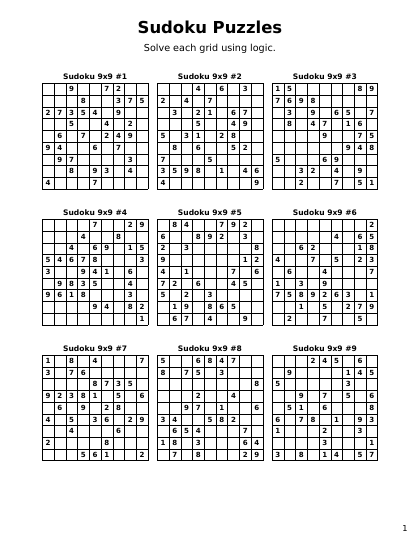
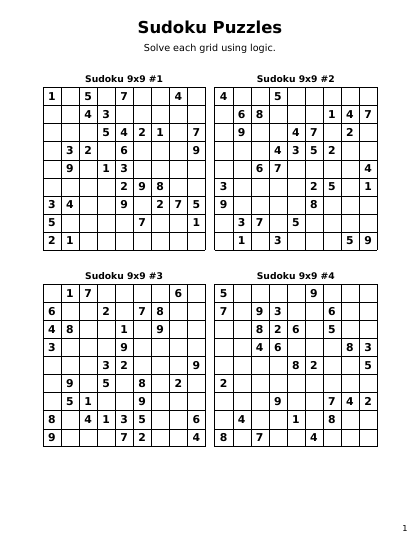
This page is a practical library of printable Sudoku puzzle packs for people who want usable PDF files without setting up every puzzle from scratch. Each pack can be opened, previewed, downloaded, and printed. The cards show the first page thumbnail, page size, page quantity, file size, update date, grid size, difficulty, and puzzle count when that information is available from the file name. That makes the page more useful than a plain file folder because you can compare the packs before deciding what to print.
Sudoku is one of the most flexible puzzle formats for print. It works for quick brain practice, classroom warmups, homeschool worksheets, activity packets, senior center handouts, printable shop products, and puzzle book interiors. A ready-made PDF pack is useful when you need pages now and do not want to spend time choosing every layout setting. You can download a pack, review the preview, print a few pages, and decide whether that format fits your project.
The downloadable packs on this page are also useful as test files. If you are designing a Sudoku book, it is often easier to evaluate a real printed sample than to judge a layout only on screen. Print one or two sample pages, check the grid weight, cell size, number placement, answer section, margins, and page rhythm. Once you know what feels right, you can move to the Sudoku Generator and create a custom file with the exact number of pages, difficulty mix, and format you need.
4x4 Sudoku Packs for Beginners, Kids, and Short Activities
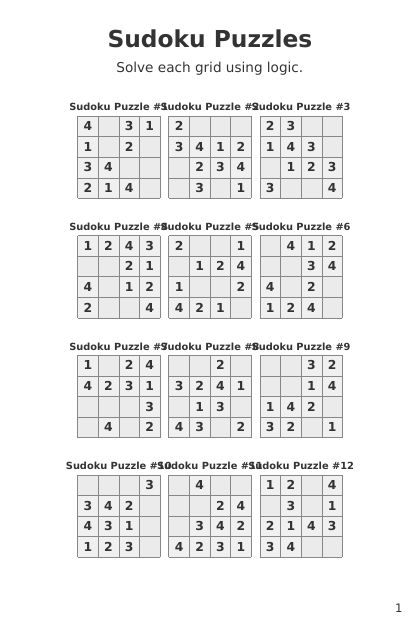
4x4 Sudoku is the simplest printable Sudoku variation in this library. It uses a smaller grid and fewer symbols, so the puzzle feels less intimidating than a classic 9x9 Sudoku. That makes it useful for younger solvers, beginners, ESL classrooms, early logic practice, short warmup tasks, and simple worksheet pages. A 4x4 pack can also work well as a gentle introduction before moving readers into larger Sudoku formats.
For teachers and parents, 4x4 Sudoku is helpful because it teaches the basic rule of Sudoku without overwhelming the learner. The solver still has to think about rows, columns, and boxes, but the page is easier to scan. This is useful for students who are building confidence, practicing attention to detail, or learning how to use process-of-elimination. For printable creators, 4x4 pages can be used in kids activity books, beginner logic sections, holiday packets, rainy-day worksheets, and mixed puzzle bundles.
A 4x4 easy pack is especially useful when the goal is completion and confidence rather than challenge. It can be printed as a quick activity, added between coloring pages or word puzzles, or used as a first puzzle page in a beginner book. If the preview looks too simple for your audience, use it as a starting point and then move into 9x9 or 16x16 packs.
9x9 Sudoku Packs for Classic Printable Sudoku
9x9 Sudoku is the classic format most solvers expect when they search for printable Sudoku puzzles. It is the best general-purpose choice for printable practice, puzzle books, adult activity pages, classroom logic work, and downloadable PDF products. A 9x9 pack gives readers the familiar Sudoku experience: enough cells to feel satisfying, enough structure to support real deduction, and enough variety to fill a useful printed set.
If you are not sure which format to use, start with a 9x9 pack. It is widely understood, easy to explain, and suitable for many audiences. Easy 9x9 Sudoku pages are good for casual solvers, morning brain practice, beginner-friendly worksheets, and warmup sections. Medium 9x9 Sudoku pages are stronger for general puzzle books because they offer more challenge without becoming too difficult for the average reader. Harder variations can be used for advanced collections, bonus sections, or books aimed at regular Sudoku players.
For KDP authors and printable sellers, 9x9 packs are useful for evaluating page density and reader experience. A book with too many tiny puzzles can feel cramped, while a book with too few puzzles per page can feel thin. Downloading several sample packs helps you compare puzzle quantity, answer placement, and page layout before committing to a larger interior. For classrooms, a 9x9 easy or medium PDF can become a quiet activity, extra-credit sheet, early-finisher task, or take-home logic practice.
16x16 Sudoku Packs for Advanced Solvers and Dense Puzzle Pages
16x16 Sudoku is a larger and more demanding variation. It gives advanced solvers a denser grid, a longer solving session, and a stronger sense of challenge. These packs are useful when classic 9x9 Sudoku feels too familiar or when you want a page that looks more substantial in a puzzle book. A 16x16 page can also be useful as a premium or bonus section inside a mixed logic collection.
Because 16x16 grids contain more cells, readability matters. Before printing a large batch, open the PDF and inspect the first page. Check whether the numbers are easy to read, whether the grid lines remain clear, and whether the page has enough white space around the puzzle. For personal practice, this helps avoid eye strain. For publishing, it helps ensure that the puzzle still looks professional after upload, print, or conversion.
A 16x16 easy pack can be useful for experienced solvers who want a large grid without extreme difficulty. A 16x16 medium pack is better for readers who enjoy longer logic sessions. Advanced creators can combine 16x16 pages with 9x9 and 4x4 packs to build a progression: beginner pages at the start, classic puzzles in the middle, and larger challenges near the end.
Easy, Medium, and Other Sudoku Difficulty Levels
Difficulty is one of the most important details in a printable Sudoku pack. Easy Sudoku is useful for beginners, children, casual solvers, seniors who want relaxing practice, and classroom activities where the puzzle should not take the whole lesson. Easy packs are also good for sample downloads because they let users understand the layout quickly.
Medium Sudoku is often the best balance for broad printable use. It gives solvers enough resistance to feel rewarding, but it usually remains accessible to people who understand the basic rules. Medium packs are useful for puzzle books, adult activity pages, general practice sets, and printable shop products because they have a wider audience than very easy or expert-level puzzles.
Other difficulty labels, such as easiest, hard, brutal, mixed, or advanced, can be useful depending on the pack. A very easy pack works well as an entry point. A hard or brutal pack can be used for expert solvers, bonus pages, or challenge sections. A mixed pack can help create variety inside one printable PDF. When choosing a pack, think about the audience first: a classroom handout, a kids activity book, and an advanced Sudoku collection should not use the same difficulty mix.
Who Uses Printable Sudoku PDF Packs?
Teachers use printable Sudoku packs for logic practice, early-finisher activities, substitute lesson folders, math enrichment, quiet classroom work, and printable activity stations. Parents and homeschool users use them for screen-free practice, travel folders, morning work, rainy-day activities, and skill-building without needing another app. Puzzle fans use them when they want offline Sudoku pages that can be solved with a pencil.
KDP publishers and low-content book creators use Sudoku PDFs to test interiors, compare puzzle density, plan answer-key sections, and build sample books. Printable shop owners can use sample packs to understand which formats look best for downloadable products. Activity coordinators can use them for libraries, community centers, senior programs, waiting rooms, and event packets. The same PDF can serve different goals depending on the grid size, difficulty, and page count.
The main advantage is speed. You do not have to create every puzzle manually before you can evaluate the format. Download a pack, print a small sample, check the reading experience, and then decide whether to use that pack directly or create a custom one.
How to Choose the Right Sudoku Pack
Start with the grid size. Choose 4x4 Sudoku for beginners and short activities, 9x9 Sudoku for classic printable use, and 16x16 Sudoku for advanced or premium challenge pages. Then look at the difficulty. Choose easy packs for gentle practice, medium packs for general use, and harder packs for experienced solvers. Finally, check the page quantity and puzzle count. A small file is good for quick printing, while a larger pack is better for book planning or bulk practice.
Before printing many copies, open the PDF and inspect the layout. Look at the first page thumbnail, then download the file and check the real page size. Make sure the puzzle cells are readable, the page margins are comfortable, and the answer pages are placed where you expect them. If the pack is only a sample, use it to define what you want from a custom export.
For a full puzzle book workflow, use this download page as the browsing step. Compare sample packs, identify the style that fits your audience, then use the Sudoku Generator or Book Builder when you need repeatable custom production. This keeps the workflow practical: preview, print, evaluate, customize, and publish.
Ready-Made Sudoku Downloads and Custom Sudoku Generation
Ready-made downloads are best when you need a PDF immediately. Custom generation is best when you need control. The download packs help you move quickly, while the generator lets you choose the exact settings: grid size, difficulty, number of puzzles, page size, answer-key behavior, layout, and export format.
Use both together. Download printable Sudoku packs from this page for fast samples and real-world layout checks. Then open the generator when you need a custom Sudoku PDF for a class, printable bundle, KDP interior, practice workbook, or personal puzzle collection.